
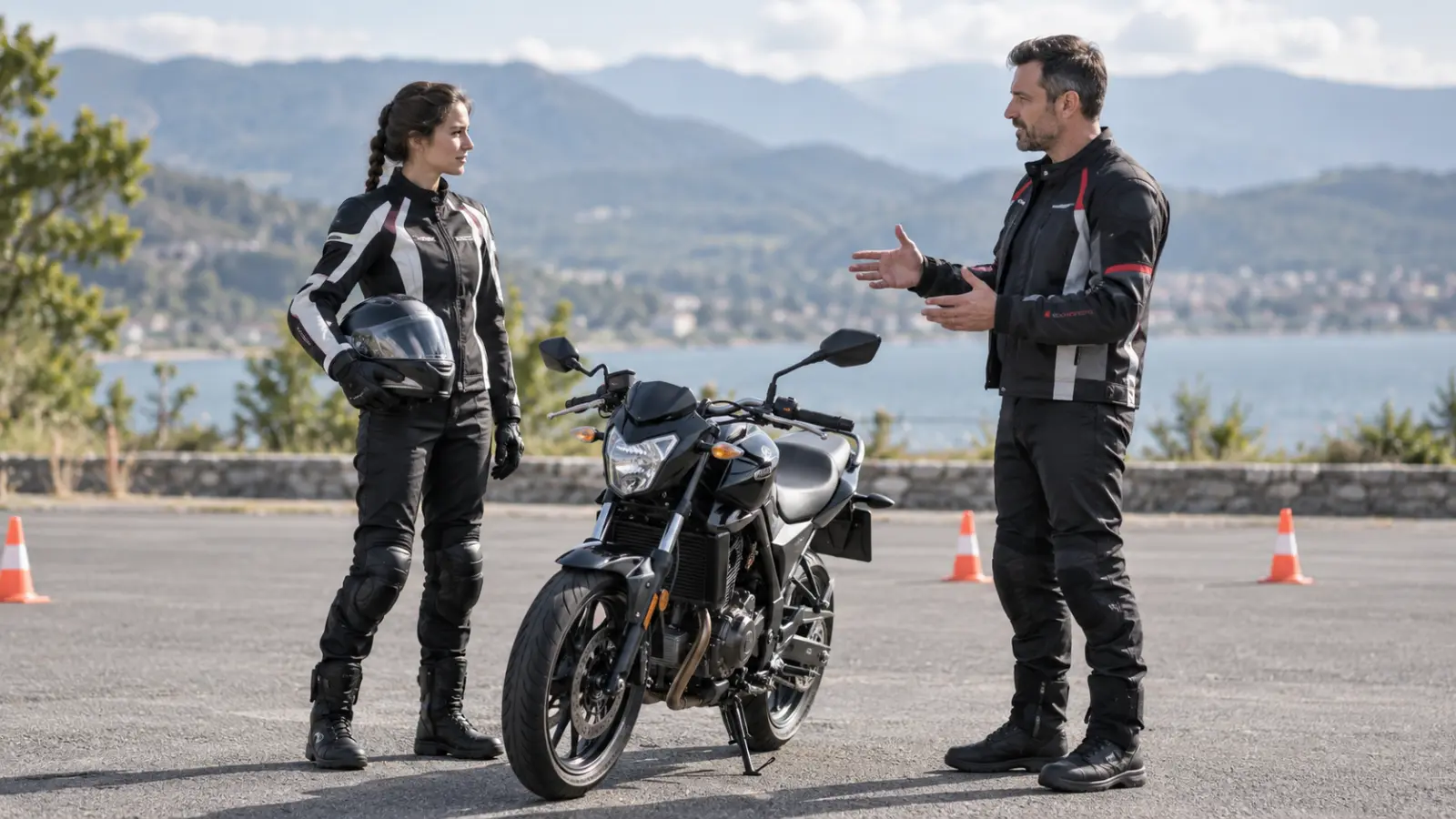
Prepare for your first season on a motorcycle
Starting motorcycling involves more than buying a machine. You are also choosing a learning process, protective equipment and a way to fit riding into your actual week. Treat these as one project so that the motorcycle does not consume the money and time needed for the rest.
Put the learning route first
Check the current licence category, training and testing requirements with the authority responsible for where you live. Do not assume a friend's route applies to your age, existing licence or intended motorcycle. Ask a qualified riding school to explain the sequence and what equipment you need for each stage.
Then reserve time for lessons and practice rather than concentrating only on the earliest possible test date. Build a calendar that can accommodate weather changes and the instructor's assessment of your progress. Riding on public roads must stay within the permissions of your licence and local rules throughout.
Budget for equipment before shopping for power
TCS emphasises training and protective equipment as part of riding preparation. In your own budget, give helmet, jacket, trousers, gloves and boots their own line. Seek specialist fitting advice and check the relevant certification and manufacturer guidance. Comfortable equipment should allow you to operate the controls without being loose or restrictive.
Try the pieces together. Check the jacket and glove overlap, whether you can turn your head, and how the trousers and boots behave when seated. A bargain that cannot be worn comfortably with the rest of your kit is not a complete solution. Ask how to clean, inspect and store each item.
Choose a motorcycle you can manage
Discuss intended use with the instructor or an experienced specialist. Consider seat access, weight when manoeuvring, controls, luggage and the places where you will park. A stationary fit check and a supervised assessment answer different questions; neither should become an excuse to ride outside your current competence or permission.
- Can you organise secure parking at home and at work?
- Where will wet equipment dry?
- How will you transport what you normally carry?
- What is the alternative when riding is unsuitable?
These questions help you assess the whole routine rather than the appeal of a showroom visit.
Begin with a manageable routine
Agree suitable practice conditions with your instructor. Leave space around early rides so that time pressure does not dictate decisions. Keep a brief note of what felt difficult and discuss it at the next lesson. Plan professional maintenance and learn the checks appropriate to your motorcycle. A steady first season gives you opportunities to develop judgement, rather than a schedule of ambitious trips you feel obliged to complete.
Sources: TCS: Sicherheit auf dem Motorrad.