
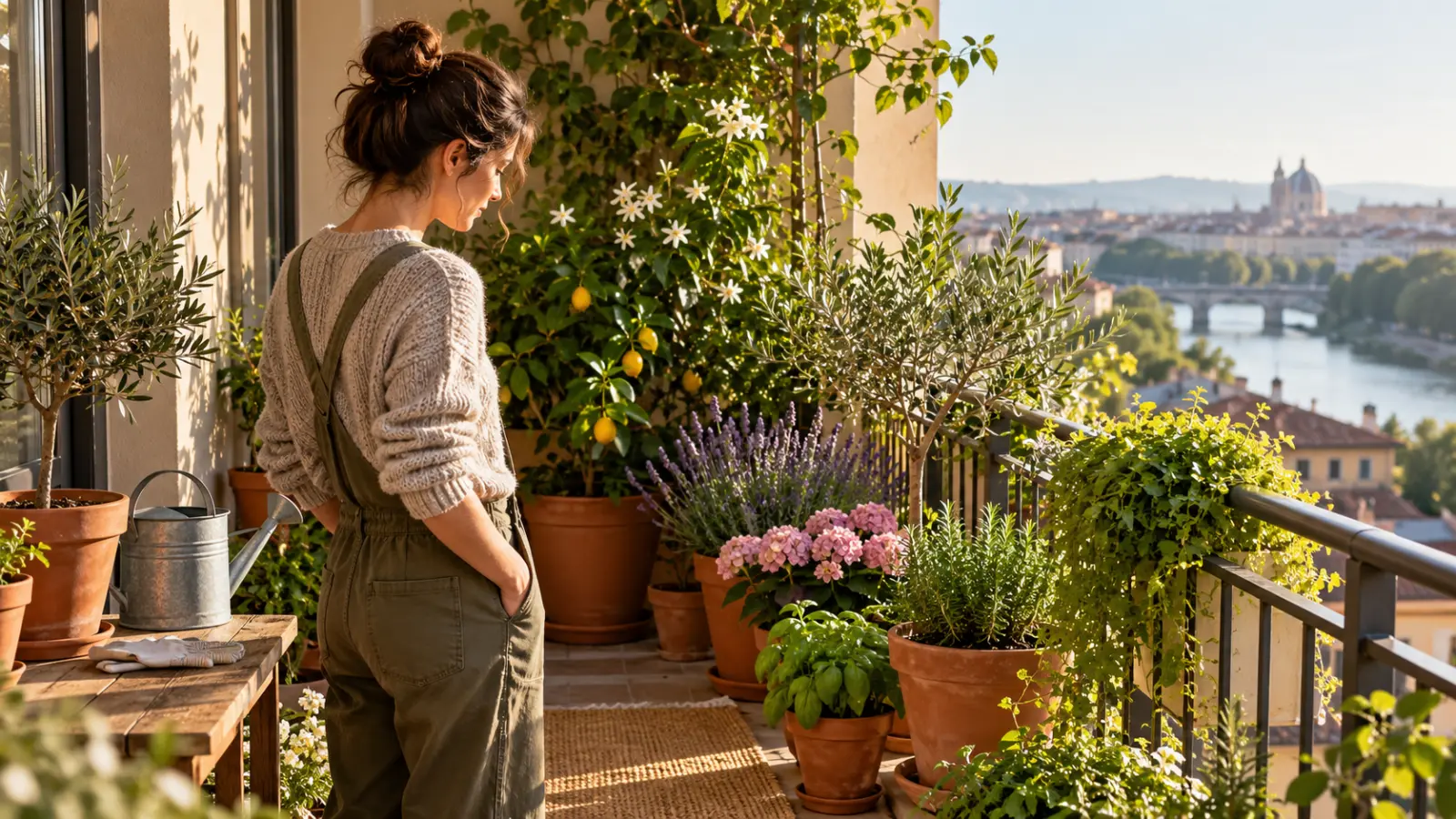
Choose plants for light, wind and the care you can give
A plant that looks right in a shop may be poorly matched to the place waiting at home. Before making a shortlist, describe that place and the care you can realistically provide. A useful planting choice connects the plant’s requirements with an observed location, rather than asking enthusiasm to compensate for unsuitable conditions.
Make a simple location record
Observe the intended position at different times. Note when it receives direct sun, what creates shade and whether wind regularly passes through. Record whether planting will be in the ground or a container, and what you know about the soil or growing medium.
The RHS explains that local conditions vary even within a garden. Treat a sheltered corner and an exposed edge as different locations. A general label such as “sunny garden” may be too broad to explain either one.
Describe the care you can repeat
Think about ordinary weeks, weekends away and seasonal tasks. Decide how much watering, pruning, repotting or clearing you are willing and able to do. Include access to water, tools and help. Low effort for an experienced gardener may still be demanding for someone new to the work.
In a fictional household that travels regularly, a collection of plants needing frequent individual attention may be a poor fit. The question is the repeatable routine, not whether the owner could manage one enthusiastic weekend of planting.
Compare requirements, not just flowers
Take the location record to a knowledgeable nursery or gardening professional. Ask about suitability for local climate, mature size, seasonal care and any concerns around children or pets. Check local restrictions and avoid plants considered invasive in your area.
Keep each proposed plant linked to a specific position. Record uncertainty instead of treating a guess about soil or exposure as a fact. Where advice differs, ask what conditions each recommendation assumes.
Start with a manageable trial
Choose a limited area and keep a record of the plants and their intended requirements. Follow appropriate planting and care guidance for the species and location. Observe how they perform through changing conditions before expanding the scheme.
Use setbacks as information: the location, establishment or care may need review. Do not automatically replace a failed plant with another of the same type without asking what happened. A coherent garden develops from suitable choices repeated over time, rather than one large purchase made without a clear picture of the site.
Keep plant labels with your notes so future advice refers to the actual plant rather than a similar-looking photograph. This also makes it easier to review the original choice when its mature size or care requirements become relevant.
Sources: Royal Horticultural Society: Microclimates: assessing your garden.